
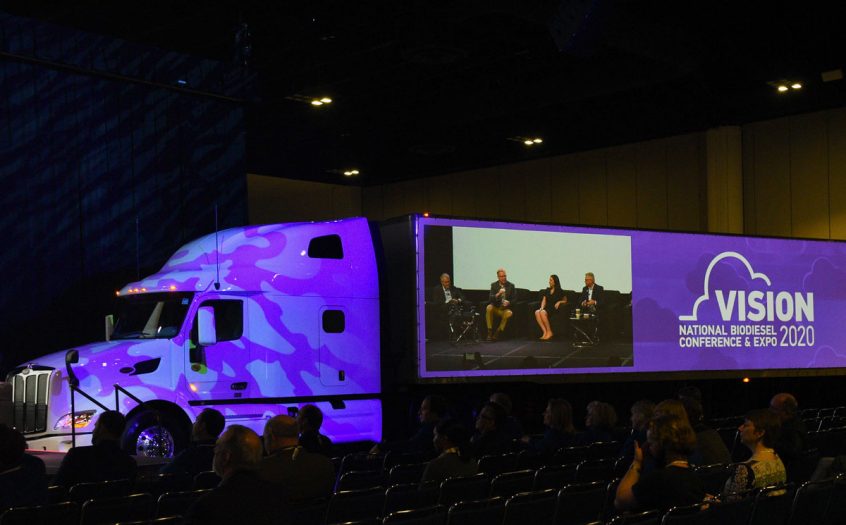
The 2020 National Biodiesel Conference & Expo is a wrap and all of the content is now available on-line. Here are some links to find photos, audio and video from the conference. 2020 National Biodiesel Conference photo album Conference Videos Conference Presentations/Sessions Audio highlights (18:52) (14:23) (11:50) (13:11) (8:18) Biodiesel Policy Panel – Kurt Kovarik, National Biodiesel Board; Ed Royce, … Read More
FPL Powers Up with Biodiesel
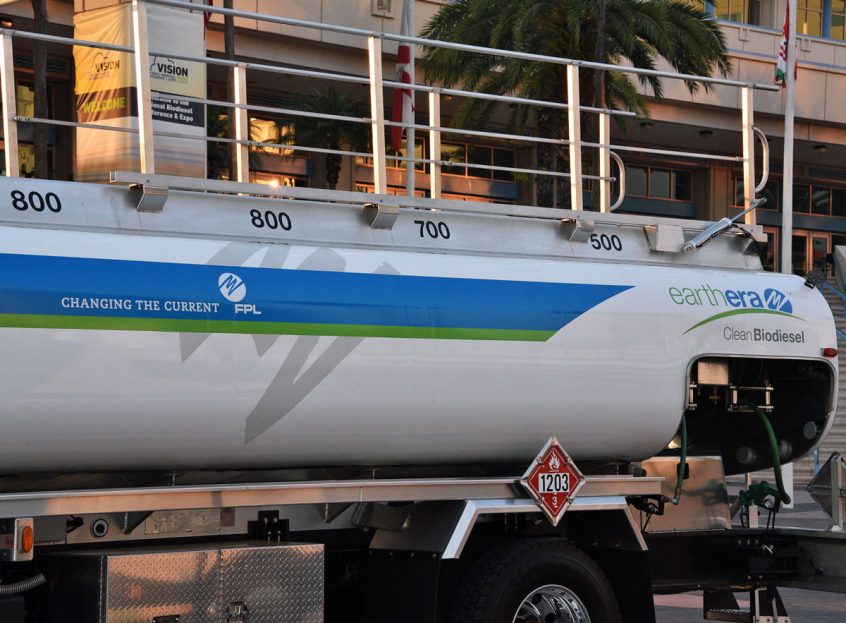
As the largest energy company in the United States, Florida Power & Light Company (FPL) has used biodiesel fuel regularly for nearly 20 years as a vital part of its corporate responsibility strategy. The utility is a subsidiary of NextEra Energy, the world’s largest producer of renewable power from wind and solar, and powers its entire fleet of diesel vehicles … Read More
Eye on Biodiesel Winners Showcase an Image of Success
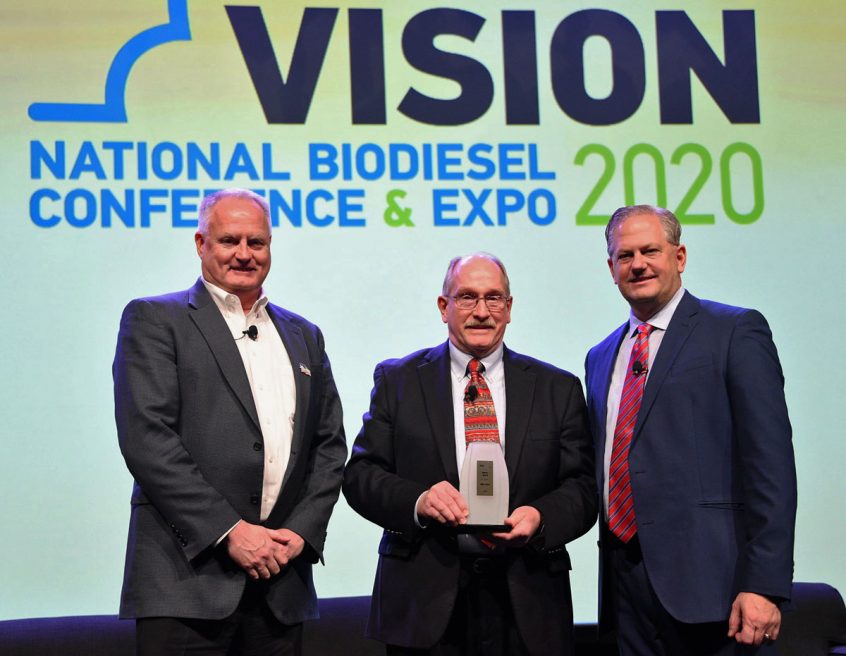
The National Biodiesel Board annual “Eye on Biodiesel” awards recognize individuals and organizations who have made significant contributions to biodiesel in a number of areas. United Soybean Board Director of Bio-Based Products Mike Erker was honored with the 2020 Impact Award. Erker’s work on the United Soybean Board has helped move the needle forward and create market opportunities for America’s … Read More
Student Scientists Shine at National Biodiesel Conference
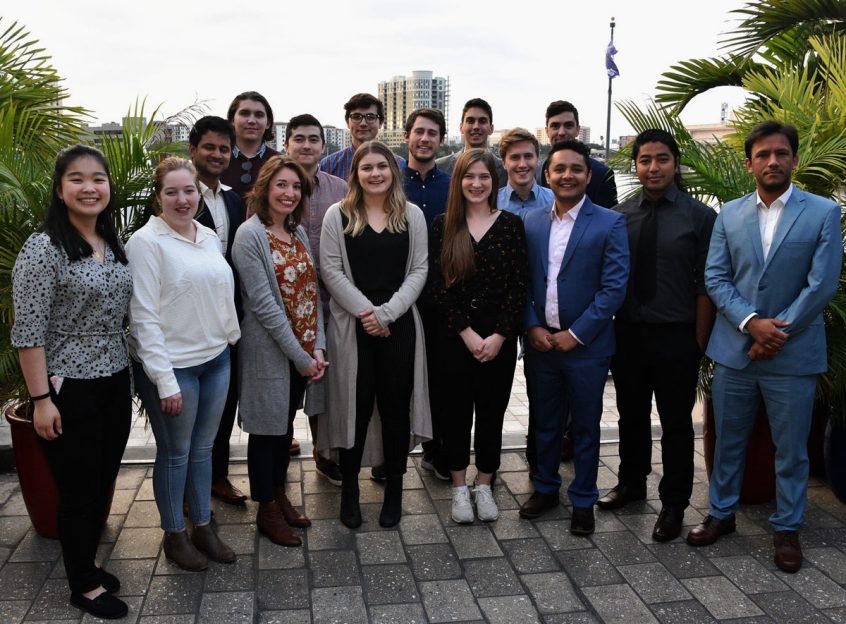
Student scientists showcased dynamic campus biodiesel programs and research during the 2020 National Biodiesel Conference & Expo in Tampa. This year, 15 university-level science majors interested in learning about all aspects of the biodiesel industry received travel scholarships to attend the conference. The students come from Goldengate International College; Iowa State University; Loyola University Chicago; North Carolina State University; State … Read More
Biodiesel Catching the Heat Wave
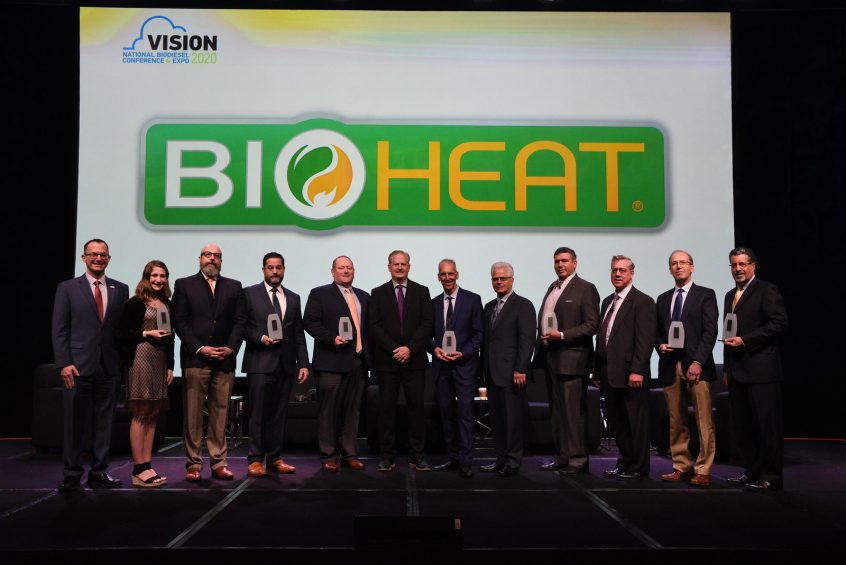
Bioheat® is really starting to heat up as a growing market for biodiesel. The Northeast’s heating oil industry has rebranded itself as the “renewable liquid heating fuels industry,” and has resolved to achieve net-zero carbon dioxide (CO2) emissions by 2050. This year’s Biodiesel Industry Partnership Award is dedicated to heating oil heavy hitters including the National Oilheat Research Alliance, New … Read More
Soybean Growers Show Biodiesel Support
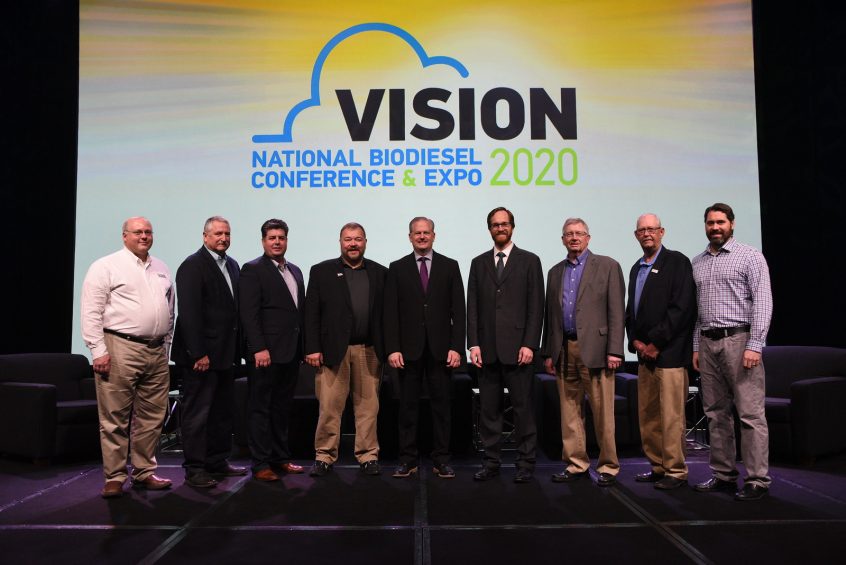
American Soybean Association (ASA) CEO Ryan Findlay was on the program at the 2020 National Biodiesel Conference in Tampa, sharing his policy views for the new decade. A number of ASA directors were also in attendance showing their support for the biodiesel industry. In this interview, Findlay discusses policy priorities, trade issues, the upcoming Commodity Classic, and more. (7:52) In … Read More
Biodiesel Policy Panel
With some certainty moving into the future at last, thanks to a multi-year extension of the biodiesel tax credit, the industry can finally give full attention to other important policy issues, like the keeping EPA’s feet to the fire when it comes to Small Refinery Exemptions under the Renewable Fuel Standard. National Biodiesel Board VP of Federal Affairs Kurt Kovarik … Read More
New NBB Chair Optimistic for 2020
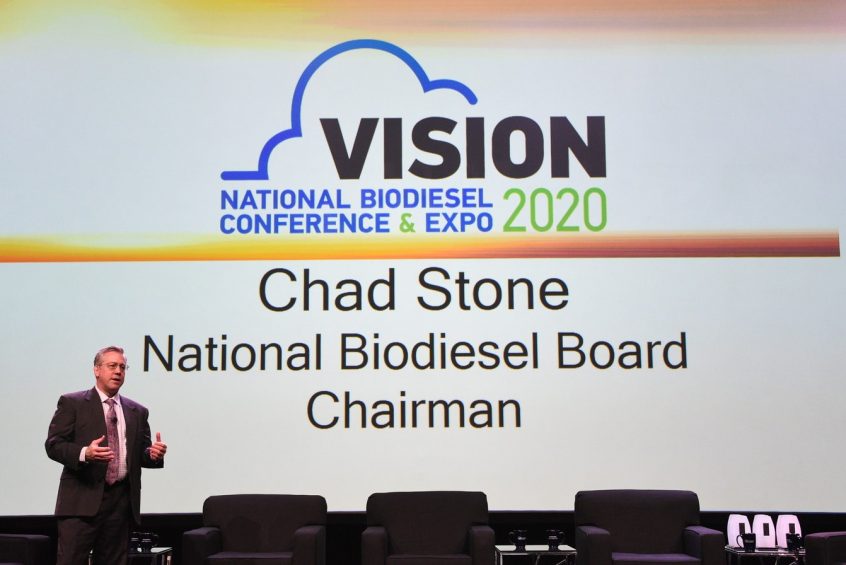
Renewable Energy Group (REG) CFO Chad Stone was elected as the new chairman for the National Biodiesel Board in November and he addressed the membership at the National Biodiesel Conference this week in Tampa. While 2019 was a disastrous year for the industry, which saw REG having to shut down a plant, Stone is very optimistic about biodiesel going forward. … Read More
Purdue Study Confirms Benefits of Biodiesel
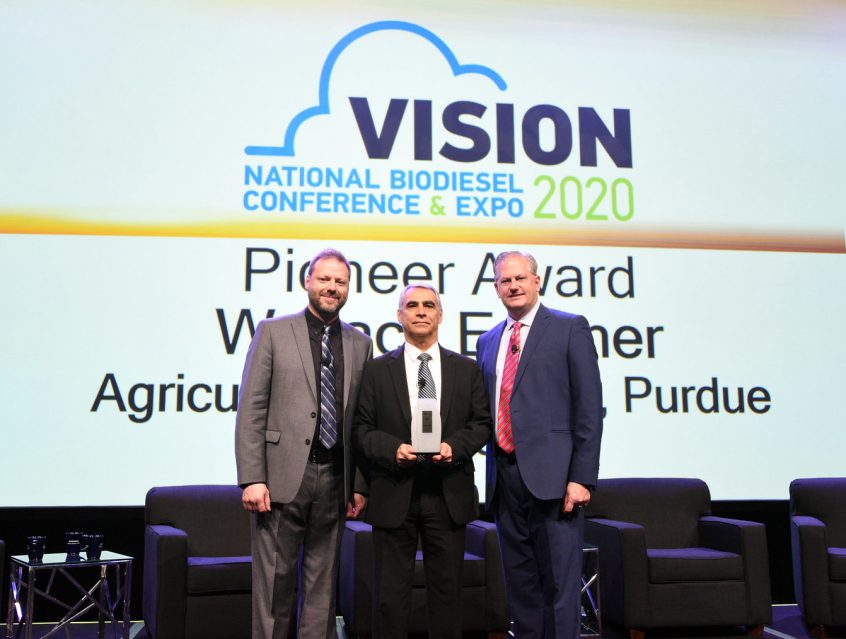
The impacts of U.S. biofuel policy on deforestation in Malaysia and Indonesia are found to be insignificant, according to the latest research from from Purdue University. The research also confirms there is no shortage of fats and oils used to make biodiesel, and no shortage of land in the US for producing farm commodities. Farzad Taheripour, a research associate professor … Read More
Diesel Fleets Fueling the Future with Biodiesel
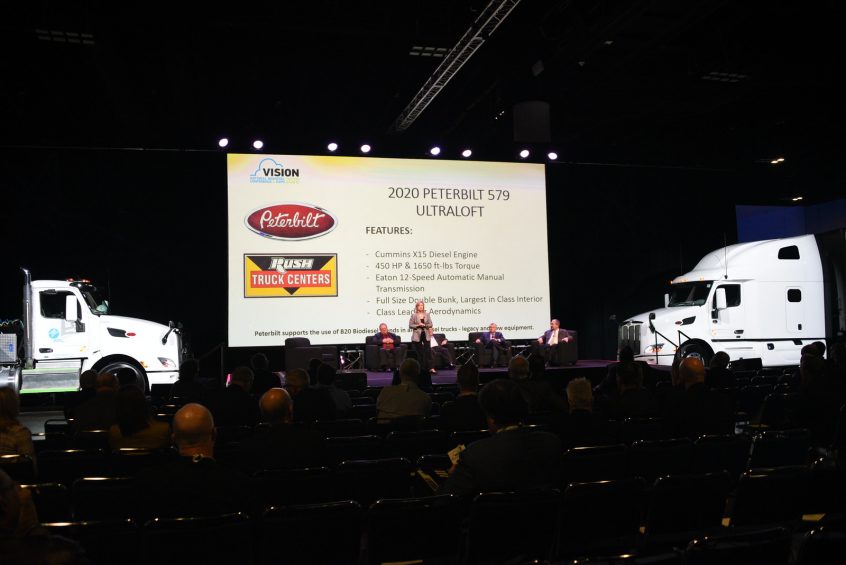
Attendees at the National Biodiesel Conference and Expo received an enlightening glimpse into the future as industry leaders from the Fuels Institute, the National Truck Equipment Association (NTEA), and major original equipment manufacturers mapped out the road ahead for the freight and transportation industries. Fuels Institute Executive Director John Eichberger told attendees that diesel vehicle stocks are expected to increase … Read More
NBB CEO Meets the Press
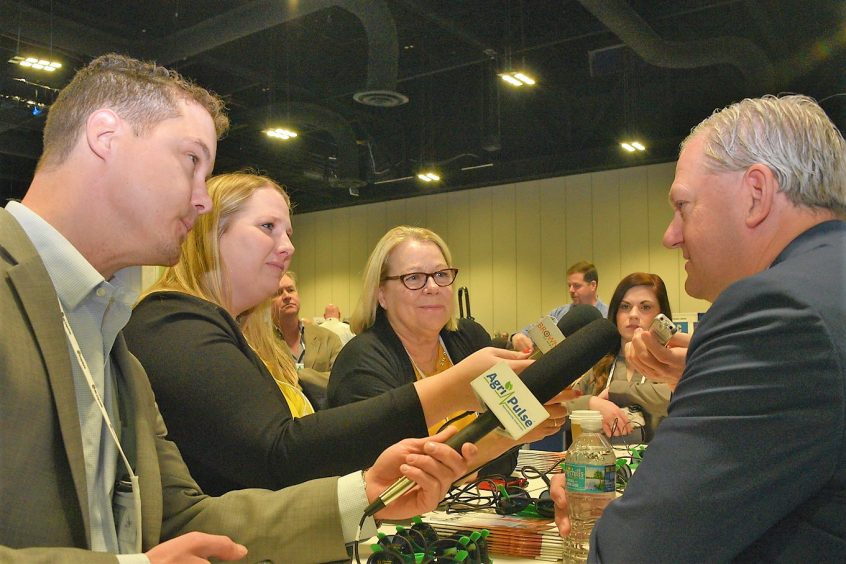
National Biodiesel Board (NBB) CEO Donnell Rehagen met with members of the media at the National Biodiesel Conference after his state of the industry address on Tuesday. Many of the questions dealt with the biodiesel tax credit extension and when it will provide some relief for the industry. “Producers should be working on it as we speak to get those … Read More
Industry Celebrates Biodiesel Tax Credit Extension
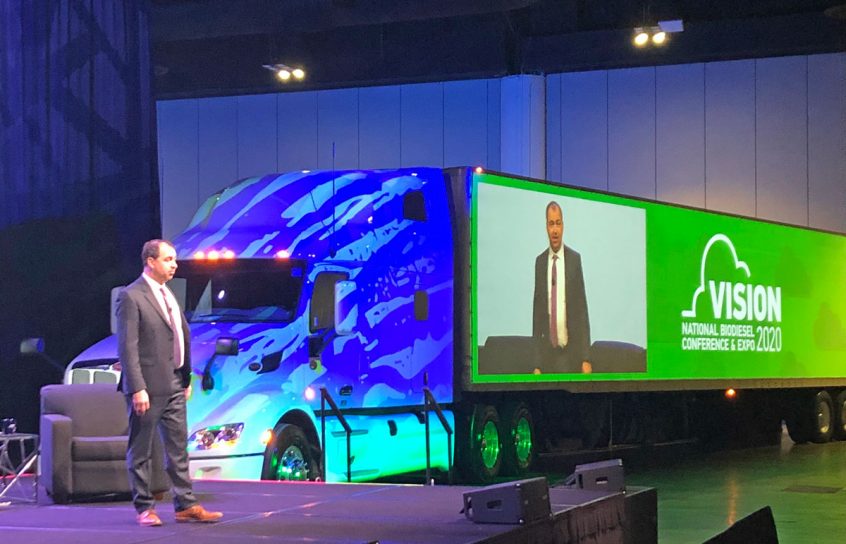
Without question, the multi year biodiesel tax credit extension achieved at the end of 2019 was a tremendous victory for the industry, and there was definitely a celebratory mood in the air at the National Biodiesel Conference this week in Tampa. “No one is more relieved, excited and enthused to say we got it done – five years certainty through … Read More
National Biodiesel Board Shares “Vision 2020”
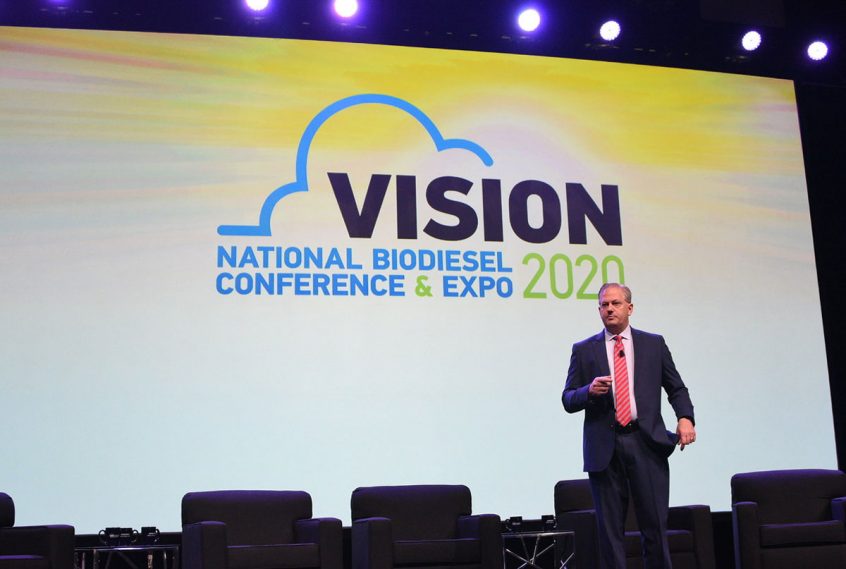
The 2020 National Biodiesel Conference & Expo kicked off Tuesday in Tampa with a new industry vision for a new decade. National Biodiesel Board CEO Donnell Rehagen unveiled the new industry vision statement in his state of the industry remarks to attendees. Biodiesel, renewable diesel, and renewable jet fuel will be recognized as mainstream low-carbon fuel options with superior performance … Read More
#NBB2020 Preview
The National Biodiesel Board will unveil its “Vision 2020” for the industry during the National Biodiesel Conference & Expo in Tampa, Florida on January 20-23. The largest gathering of North American biodiesel enthusiasts arrive in Florida on a roll with recent policy victories in Washington, DC, and California, as well as a heating oil industry that is partnering with producers … Read More
Taking a Biodiesel Ride and Drive
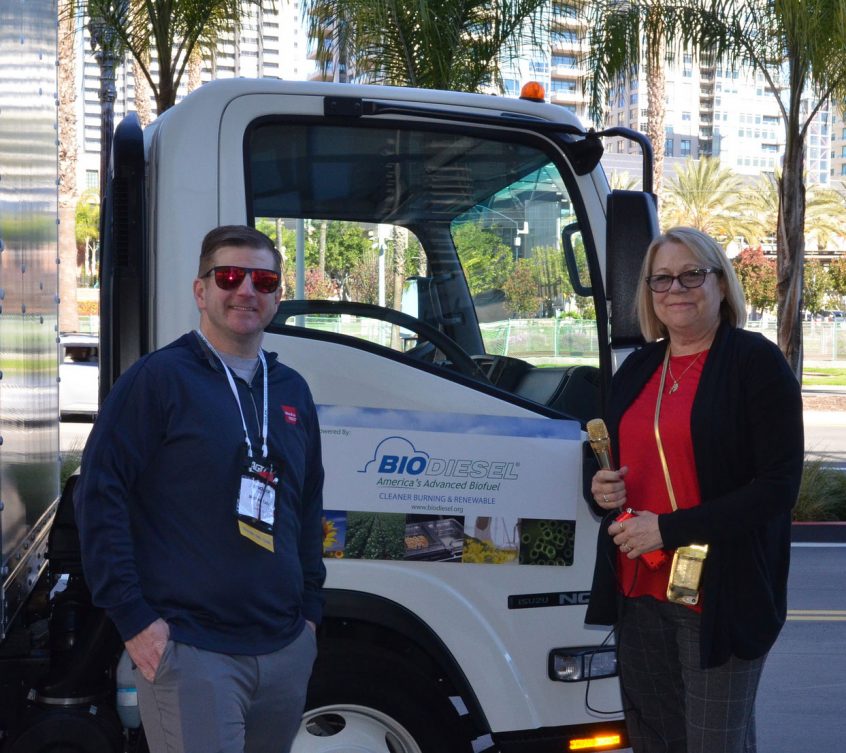
The Ride and Drive is one of the most popular activities at the annual National Biodiesel Conference, offering attendees the chance to take a spin in some of the coolest new diesel models on the market, or to just “kick the tires.” Featured vehicles this year included: • 2019 Ford F-150 diesel pickup and • 2019 Ford Transit diesel van, … Read More
Cummins Crate Engine Repowers Clean Cruiser
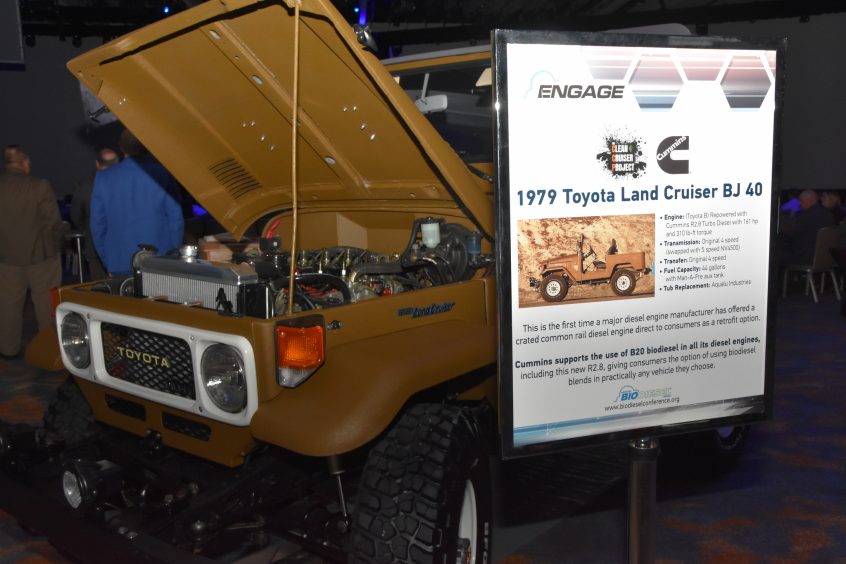
In the early 1900s, Clessie Cummins founded the Cummins Engine Company in Indiana and proceeded to demonstrate the benefits of the diesel engine by repowering automobiles, race cars, buses and trucks. A century later, the company is continuing the legacy by enabling passionate enthusiasts to repower their own iconic vehicles with the R2.8 Turbo Diesel crate engine. The Clean Cruiser … Read More
Biodiesel Vehicle Showcase Features Deere, Isuzu and Ford
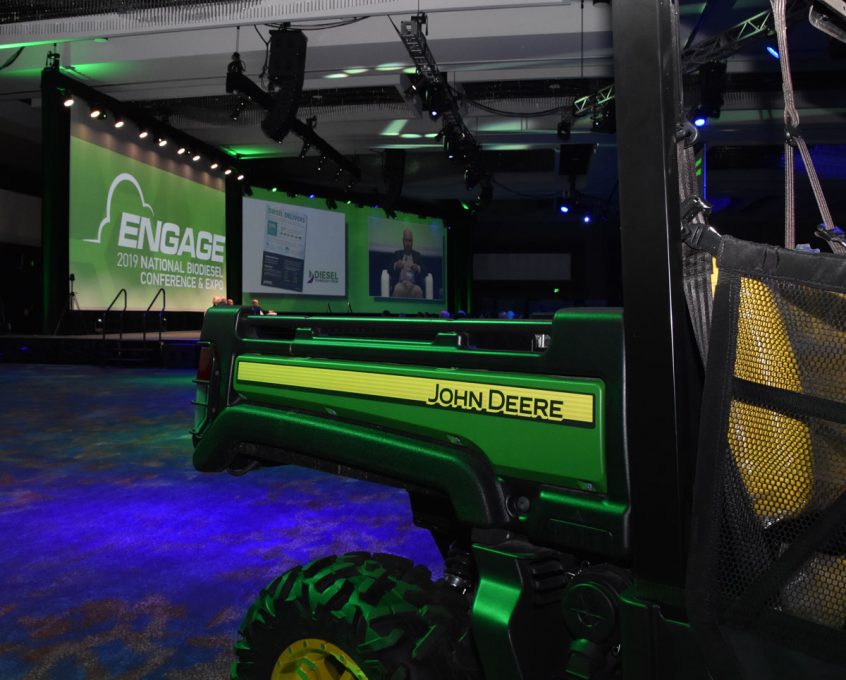
John Deere, Isuzu, and Ford took part in the 2019 Biodiesel Vehicle Technology Showcase to highlight the latest biodiesel-friendly vehicles. For Deere, it’s the 865M XUV Gator and the brand new diesel Z994R Commercial ZTrak™ zero-turn mower. Isuzu featured its N-Series commercial diesel trucks. And Ford brought the new F-150 and Transit Connect to the game this year. Watch presentations … Read More
Next Gen Biodiesel Scientists Take One Small Step

As we celebrate 50 years since that first small step for man on the moon, the Next Generation of Biodiesel Scientists (NGBS) are continuing to take that giant leap for mankind doing research here on Earth for the future. NGBS co-chair Jennifer Greenstein, North Carolina State University, moderated a panel of four young scientists from around the world during the … Read More
NBB Influence Award Goes to Kotrba
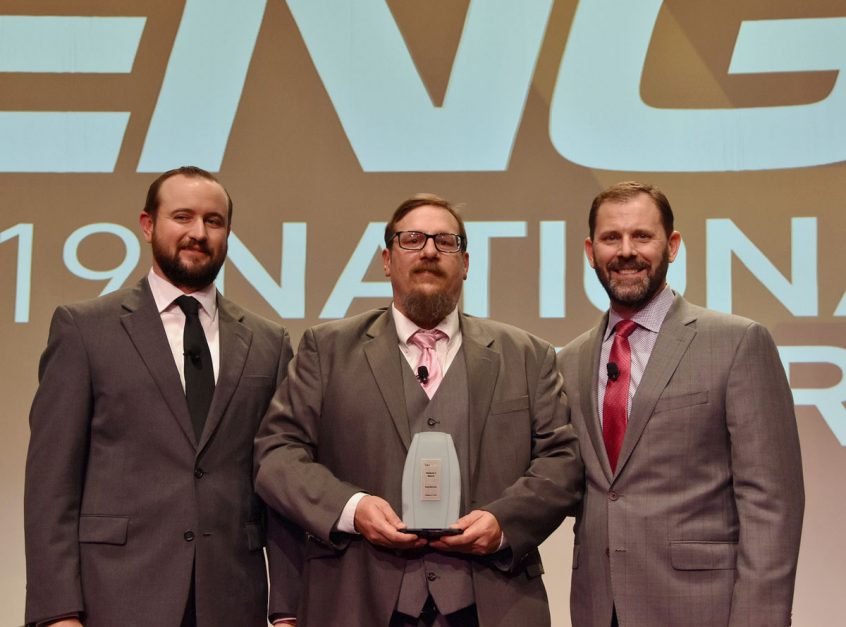
The 2019 Eye on Biodiesel Influence Award winner is Ron Kotrba, Biodiesel Magazine. Ron Kotrba has served as Editor of Biodiesel Magazine for nearly a decade, providing key insights into the industry and covering every nuanced topic in the space with precision. Before becoming Editor of Biodiesel Magazine, Kotrba was a senior writer for all of BBI International’s publications, writing … Read More
Biodiesel-Powered Engines In It For the Long Haul
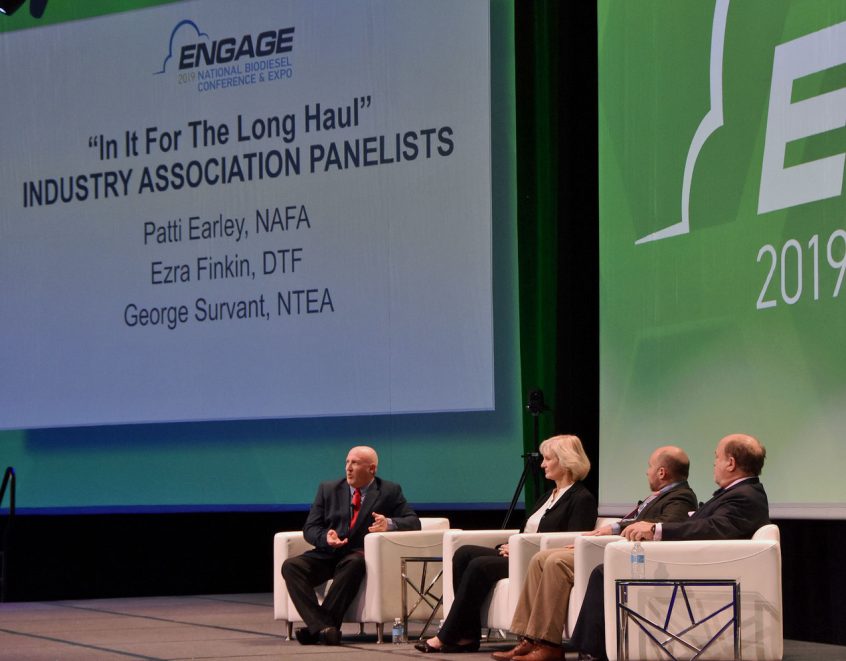
Industry experts from the Diesel Technology Forum (DTF), National Association of Fleet Administrators (NAFA), and National Truck Equipment Association (NTEA) who spoke at the National Biodiesel Conference agree that the forecast for diesel powertrains looks strong and steady. National Biodiesel Board Technical Director Scott Fenwick moderated a panel on the topic featuring Patti Earley, Florida Power and Light Fleet Fuel … Read More